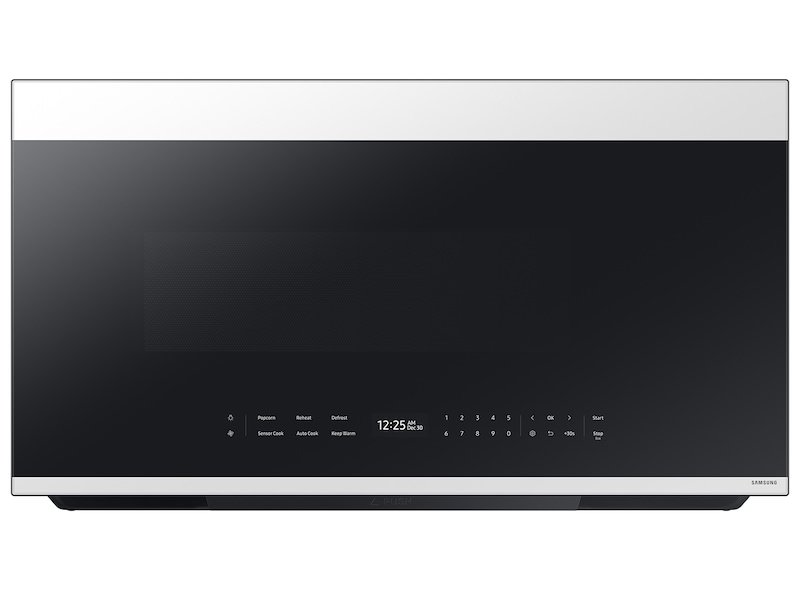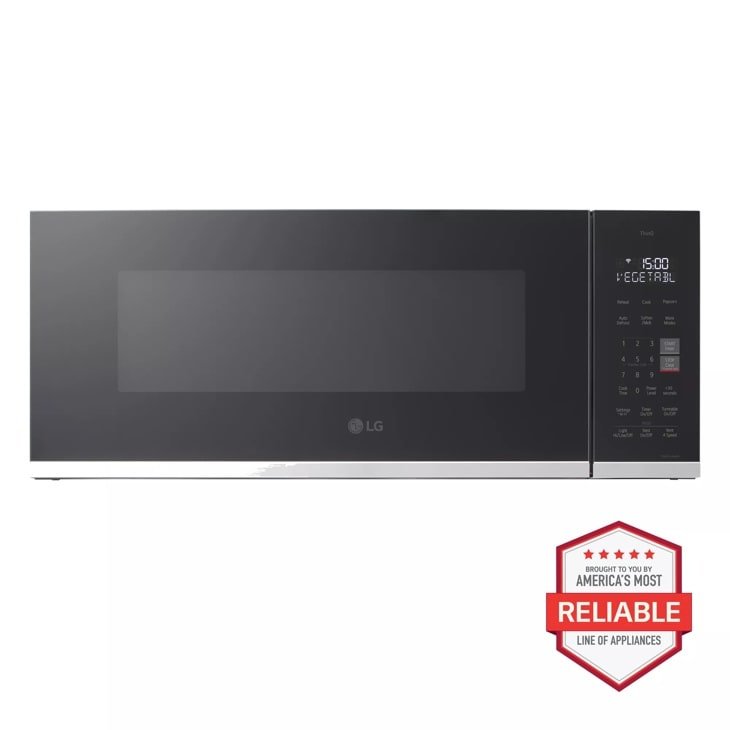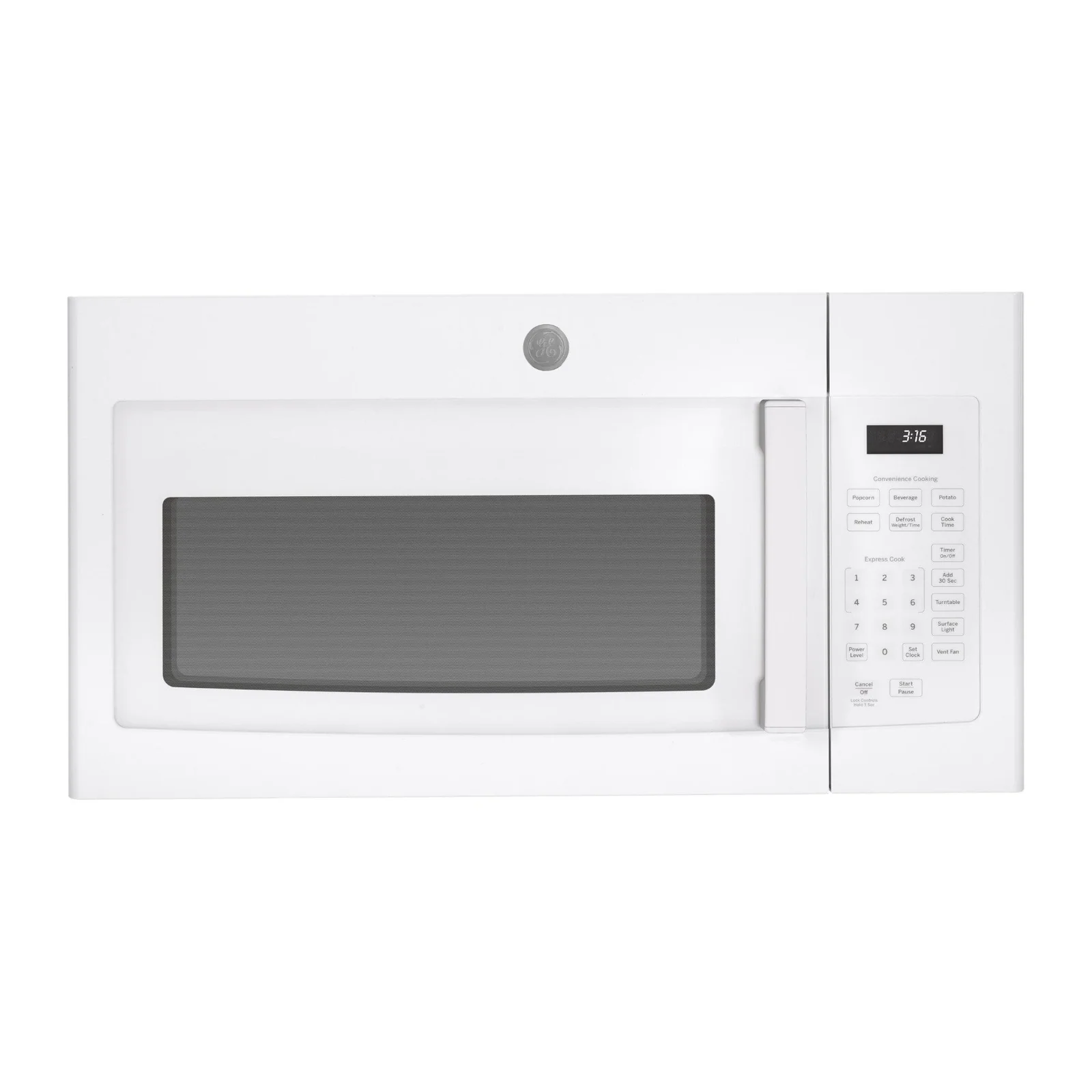
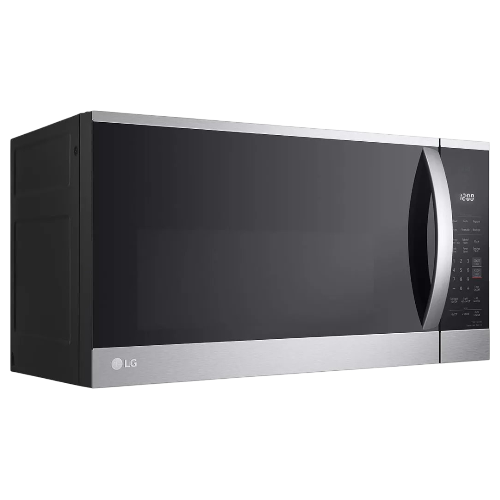
Begin with a normal day in your kitchen
Where do you set a bowl before heating it, and where will you put it when it is hot? Those two questions help narrow a microwave choice quickly. A countertop model uses worktop space, while an over-the-range model sits above the cooking surface and includes a ventilation function. Neither arrangement is automatically best. Think about the people who use it, the height of the controls and how often someone will be cooking below it at the same time.
Give a countertop model its own space
Measure the intended surface and compare the appliance width, height and depth, including its door and handle. Follow the model manual for ventilation clearance rather than pushing the unit tightly into a convenient corner. Check the location of a suitable outlet with the installation requirements. A countertop microwave should not be enclosed in a cabinet simply because the box fits. A built-in installation needs a model and any trim kit specifically approved for that arrangement. Leave usable landing space beside the door.
Treat an over-the-range model as an installation
An over-the-range microwave is supported in a different way and must match the space above your range. Photograph the upper cabinet, adjacent cabinets and current ventilation arrangement. Compare the exact installation guide for mounting requirements, electrical supply and the required spacing above the cooking surface. Ask the installer to assess any cabinet or duct changes before purchase. An old bracket or mounting template is not proof of compatibility with a replacement model. Installation parts and labor belong in your budget from the start.
Understand where the cooking air goes
Some over-the-range models can vent outdoors or recirculate filtered air, depending on their configuration and required parts. Verify the particular model rather than assuming it matches your current setup. Recirculation returns air to the room; it does not send it outside. If you frequently sear food or want a separate hood, discuss that plan alongside the microwave location. The microwave capacity and the ventilation specification answer different questions. A large cooking cavity does not by itself tell you how well the ventilation suits your kitchen.
Test the space you actually use
Capacity in cubic feet helps you compare interiors, but your usual dish matters more than the number alone. Measure a favorite dinner plate, casserole dish or tall mug and compare the cavity dimensions. Check whether the door opens comfortably at the planned location. Consider controls that are easy for your household to read, a practical cleaning surface and the cooking settings you regularly use. On the exact discounted unit, inspect the tray, support ring, door and accessories, and ask which functions have been checked.
Make the final comparison simple
Compare two or three candidates using placement, usable cavity, installation needs and complete cost. Avoid paying for a mounting arrangement that solves one problem while creating another, such as removing your only food-preparation area or making hot dishes awkward to reach. Our microwave catalog provides model information and current listed options. Send Appliances 4 Less St. Cloud your chosen model and a photo of the intended location on WhatsApp. Confirm the unit and installation arrangements before coming to 912 13th St.
Further reading
Whirlpool: Microwave buying guideWhirlpool: Over-the-range microwave guideWhirlpool: Appliance manualsReady to see your options?
Visit 912 13th St in St. Cloud, or call to check availability before the trip.
Talk to the store