Identify the setup you already have
Begin with the existing laundry connections rather than a preferred dryer finish. Photograph the outlet, the dryer label, the wall vent, and any gas connection without disconnecting anything. If you are unsure what a connection is, have a qualified installer identify it. A previous appliance can offer clues, but its appearance alone does not establish what a replacement requires. Keep the photos with your room measurements. They will help you discuss suitable dryer models and identify installation work before the purchase becomes time-sensitive.
Understand what gas and electric mean
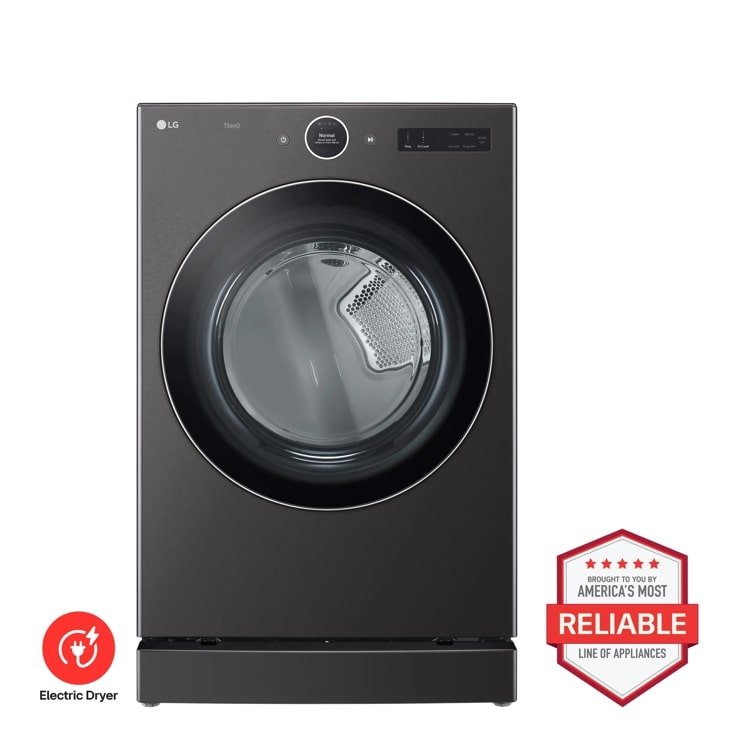
A gas dryer uses gas for heat and still requires electricity for components such as controls and the drum motor. An electric dryer uses electricity for its drying system. Conventional full-size electric dryers commonly require a dedicated higher-voltage circuit, while some heat-pump or compact designs have different requirements. Do not assume an ordinary outlet suits every electric model. Compare the exact installation instructions with the connections available at home, including the specified electrical supply. Appliance names alone are not enough to confirm compatibility.
Treat venting as a separate question
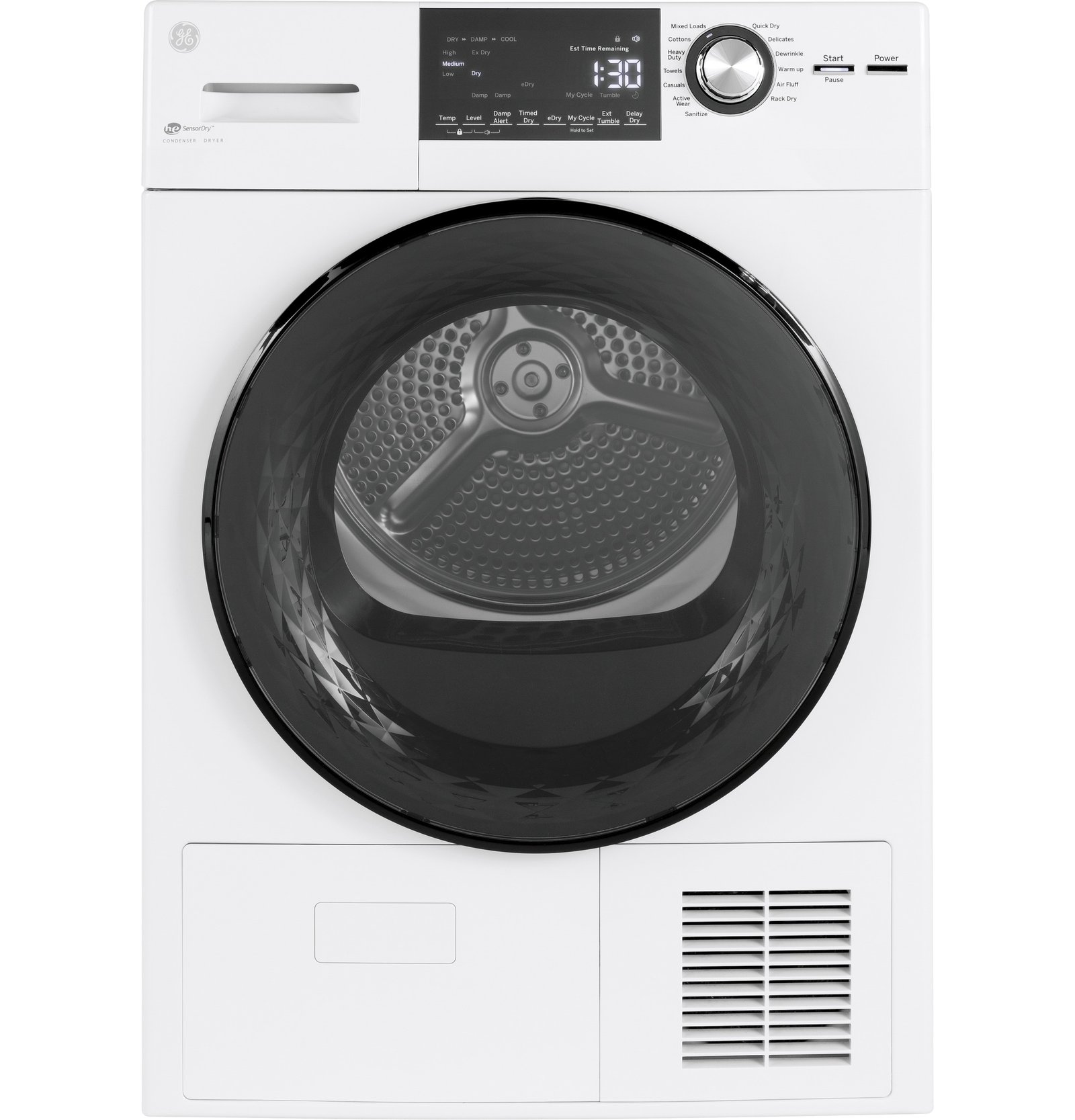
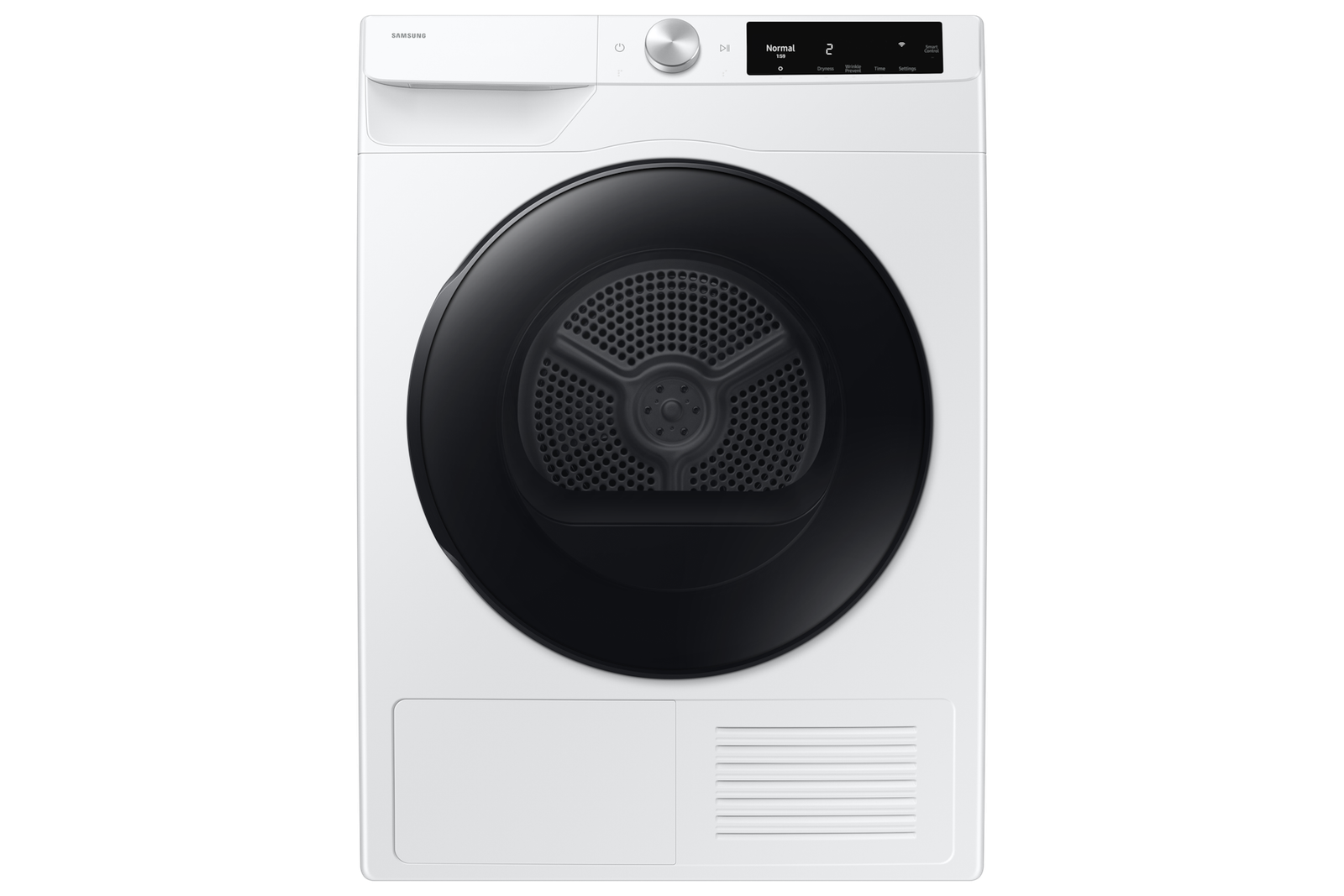
Power source and venting are related installation decisions, but they are not interchangeable labels. Many electric dryers require an exterior exhaust duct, just as conventional gas dryers do. Certain electric heat-pump or condenser models are ventless and manage moisture differently. Check the specific design rather than assuming electric means ventless. For a vented dryer, ask an installer to assess the existing exhaust arrangement against the model’s instructions. For a ventless design, review drainage, room conditions, clearances, and maintenance requirements before deciding it can go anywhere.
Compare the complete cost of each route
Start with the dryer price, then add required accessories and any work necessary to make the installation suitable. A low sticker price may not represent the lower-cost option if the home needs a different circuit, a new gas supply, or changes to venting. Operating costs depend on local utility prices, the dryer’s technology, and how often you use it. Avoid a blanket promise that one fuel always saves money. Request a clear installation scope and compare costs using the actual models under consideration.
Match the dryer to your laundry habits
After narrowing the connection type, compare drum capacity, loading height, door swing, and cycles. Think about your most common loads rather than the largest item you might wash once a year. Consider whether sensor drying, a readable control panel, or an accessible lint filter would improve the routine. Check the manufacturer’s guidance for bulky items and compatible washer pairings. If the dryer will be stacked, confirm both model numbers and the approved stacking hardware. Similar-looking gas and electric versions can have different model identifiers.
Confirm the plan before delivery
Write down the selected model, its fuel type, electrical requirements, exhaust or drainage arrangement, and any required installation parts. Have a qualified professional handle gas connections or electrical changes; do not try to solve an incompatible setup with an improvised adapter. When shopping for a dryer in St. Cloud, bring the connection photos so the discussion starts with your home’s actual layout. Confirm any service scope and charges separately. A careful connection check makes the final choice clearer and helps avoid a dryer that cannot be installed as planned.
Further reading
Whirlpool: gas and electric dryer power sources and hookupsGE Appliances: model-specific ventless heat-pump combo installationReady to see your options?
Visit 912 13th St in St. Cloud, or call to check availability before the trip.
Talk to the store