Picture a normal week of groceries
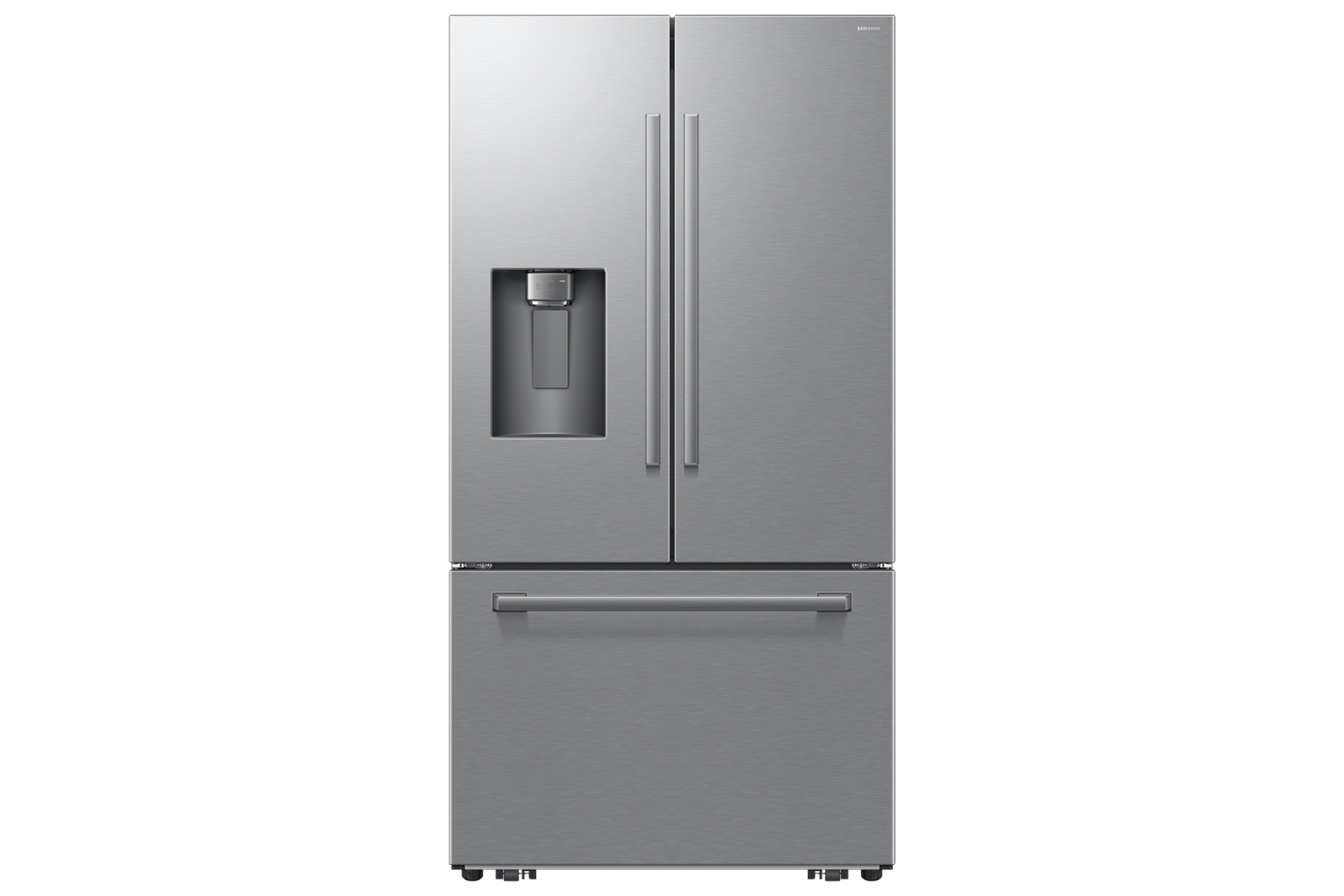
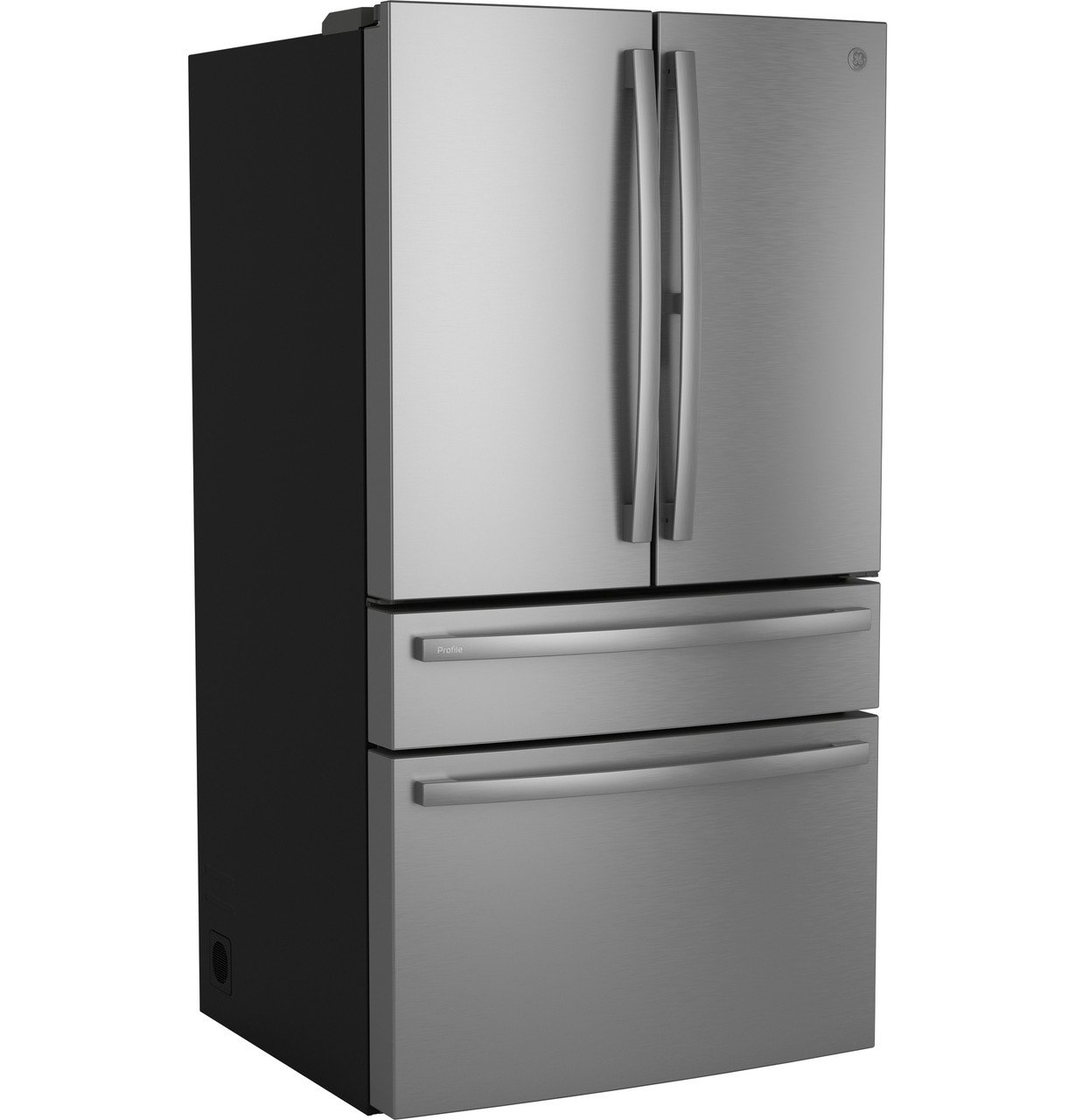
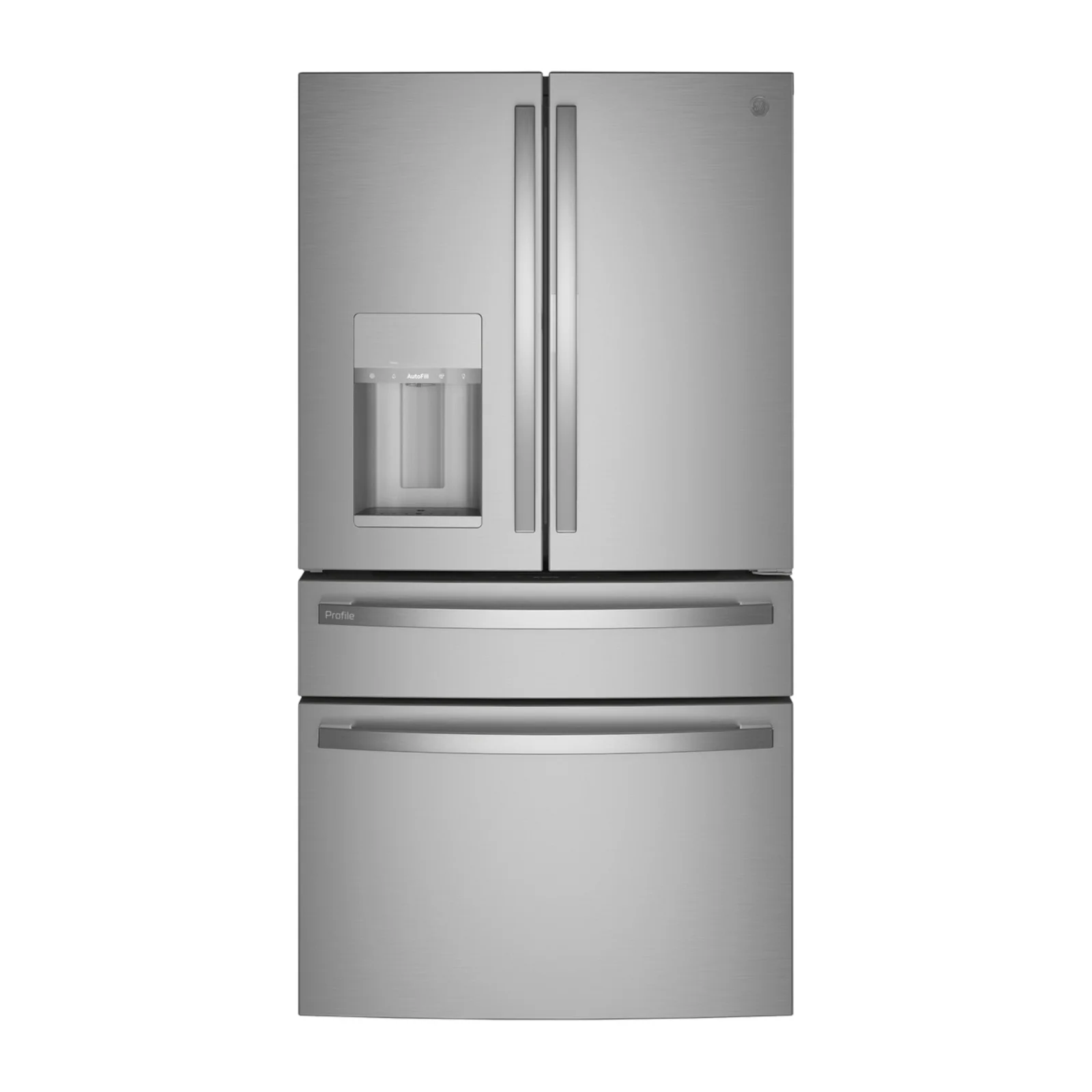
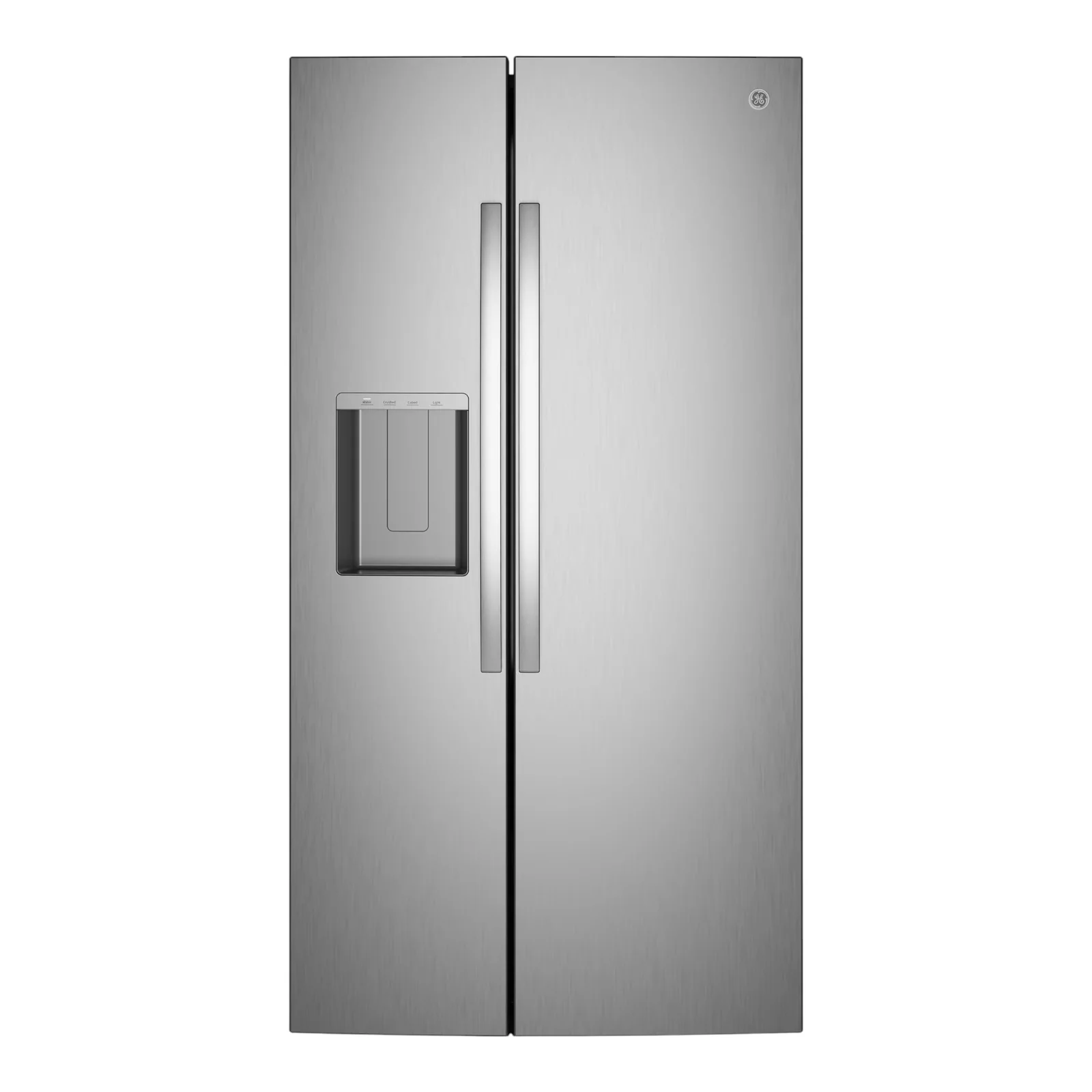
A French door refrigerator usually places two doors over a lower freezer compartment. A side-by-side refrigerator divides fresh food and frozen food into tall neighboring sections. These layouts put everyday items within reach in different ways. Begin with a week of your normal groceries, not a staged kitchen photograph. Think about where milk, leftovers, produce, frozen vegetables, and large containers would go. The better choice is the layout that makes those frequent routines straightforward for the people who will use it.
Check the widest thing you store
French door layouts commonly offer broad fresh-food shelves across the cabinet, which can be useful for trays or wide containers. A side-by-side divides that width between its refrigerator and freezer sections. Measure a baking tray or serving platter you regularly refrigerate, then check the usable opening and shelf area in each candidate. Do not assume a larger total capacity means every object will fit. Adjustable shelves can help, but moving one may reduce useful space for bottles, jars, or another frequently stored item.
Decide how you want to use the freezer
A side-by-side can keep selected frozen items on shelves at different heights. A lower freezer may use baskets or drawers that group food differently. Open each compartment and imagine finding something underneath a full week of groceries. If you often buy frozen pizza, compare package dimensions with the shelf or basket. If you batch-cook, consider how flat containers will stack. Neither layout guarantees better organization by itself; the arrangement of bins, dividers, and shelves determines how convenient it feels in daily use.
Compare access for everyone at home
Refrigerator choice is also a matter of reach. Ask each regular user to try the doors, the main shelves, and the freezer. Notice whether a heavy item must be lifted over a drawer edge, whether a handle is comfortable, and whether a frequently used shelf is easy to see. A full-width fresh-food drawer may require opening both French doors. Specific layouts vary, so test the actual design. A feature that feels convenient to one person may add an unnecessary step for another.
Measure the doors in the room
Both styles can work in many kitchens, but their names do not establish the necessary clearance. Check the model’s dimensions, door swing, and required space beside a wall. Include the freezer drawer extension when assessing a French door design. A nearby island or cabinet handle can become an obstacle even when the closed appliance fits. Compare interior capacity alongside the space occupied when open. Use the installation guide and a floor sketch to evaluate the refrigerator in your kitchen rather than judging only its showroom footprint.
Choose features after choosing the layout
Once you know which arrangement works, compare features such as adjustable shelving, dispenser location, ice storage, and finish. Note how each feature uses interior space and whether you will use it regularly. Compare model-specific energy information and the complete purchase price separately; door style alone does not establish either. When shopping for refrigerators in St. Cloud, bring your measurements and a short grocery list. That turns a broad style preference into a practical comparison of two or three models that suit your household.
Further reading
Whirlpool: French door and side-by-side configurationsReady to see your options?
Visit 912 13th St in St. Cloud, or call to check availability before the trip.
Talk to the store