
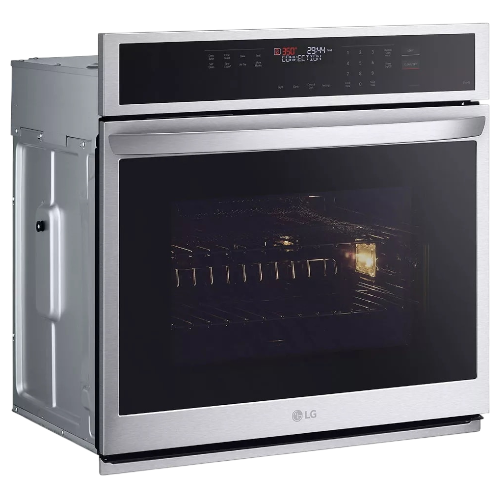
A size label is only the starting point
A wall oven described as 30 inches wide is not a promise that it will fit every opening used by another 30-inch oven. The visible front, the recessed body and the cabinet cutout have different dimensions. Start by finding the model number of the oven you are replacing and its installation information. Photograph the whole cabinet arrangement, including drawers or another appliance nearby. Then compare the proposed model’s dimension drawing. Matching a brand or nominal width is useful for searching, but it is not a fit check.
Record the actual cabinet opening
You need the opening width, height and usable depth, with any obstructions identified. If the old oven hides those edges, arrange for a qualified installer to expose and measure them; do not pull a heavy built-in appliance out just to take a photograph. Write each measurement beside a small sketch so width cannot be confused with depth later. Record the floor-to-opening height as well. A seller can compare clear measurements more effectively than a photo with no scale or a rounded estimate.
Check support and connection space
The cabinet must accommodate more than the visible oven face. Its support, mounting points and space for the electrical connection have to meet the new model’s instructions. A junction box or other obstruction can reduce usable depth even if the empty-looking opening seems large enough. Ask the installer to review those details alongside the measurements. Request a separate quote for any cabinet or electrical changes, and confirm who will complete them. The delivery appointment should follow the preparation plan rather than become the first inspection.
Imagine the door open and the meal ready
Measure the room in front of the cabinet with the proposed oven door open. Think about an island, adjacent drawers and the path through the kitchen. Consider how you will reach a heavy roasting dish at that installation height, and whether the controls are comfortably visible. Compare the interior with your regular baking sheets and pans. A larger advertised capacity does not guarantee a better arrangement for your cookware. Test rack movement in the showroom and ask which racks or accessories come with the exact unit.
Single, double and combination need separate checks
Changing from a single oven to a double or microwave combination can alter much more than appearance. The cabinet opening, support and electrical requirements may all change, and the available space above or below becomes part of the decision. Even replacing like with like requires checking the exact instructions. If a manufacturer offers a fit-related promotion, read its eligibility terms rather than assuming a discounted unit qualifies. Decide first whether the proposed installation is practical, then compare additional cooking functions and the final quoted cost.
Bring a measurement packet to the store
Keep the opening sketch, photos, current model number and installer notes together on your phone. Add the proposed model’s installation drawing so everyone discusses the same appliance. Ask about its condition, included accessories, coverage and return terms before arranging delivery. Our wall oven catalog is a starting point for a focused conversation. Send Appliances 4 Less St. Cloud the model you like and your cabinet information on WhatsApp. Confirm the individual unit and completed preparation before scheduling its move into your kitchen.
Further reading
Whirlpool: Wall oven buying guideWhirlpool: Wall oven dimension guideGE Appliances: Site readiness requirementsReady to see your options?
Visit 912 13th St in St. Cloud, or call to check availability before the trip.
Talk to the store