Three labels, three different questions
When comparing discount appliances, separate appearance, packaging, and previous use. Scratch-and-dent usually describes visible cosmetic marks. Open-box describes packaging that has been opened. Used describes an appliance that has already served a previous owner. These categories can overlap: an unused refrigerator might be unboxed and scratched, while a previously installed washer might look nearly new. A short label cannot tell the entire story. Ask the seller to explain what that label means for the exact item, then record the answer alongside its model number.
A cosmetic description needs context
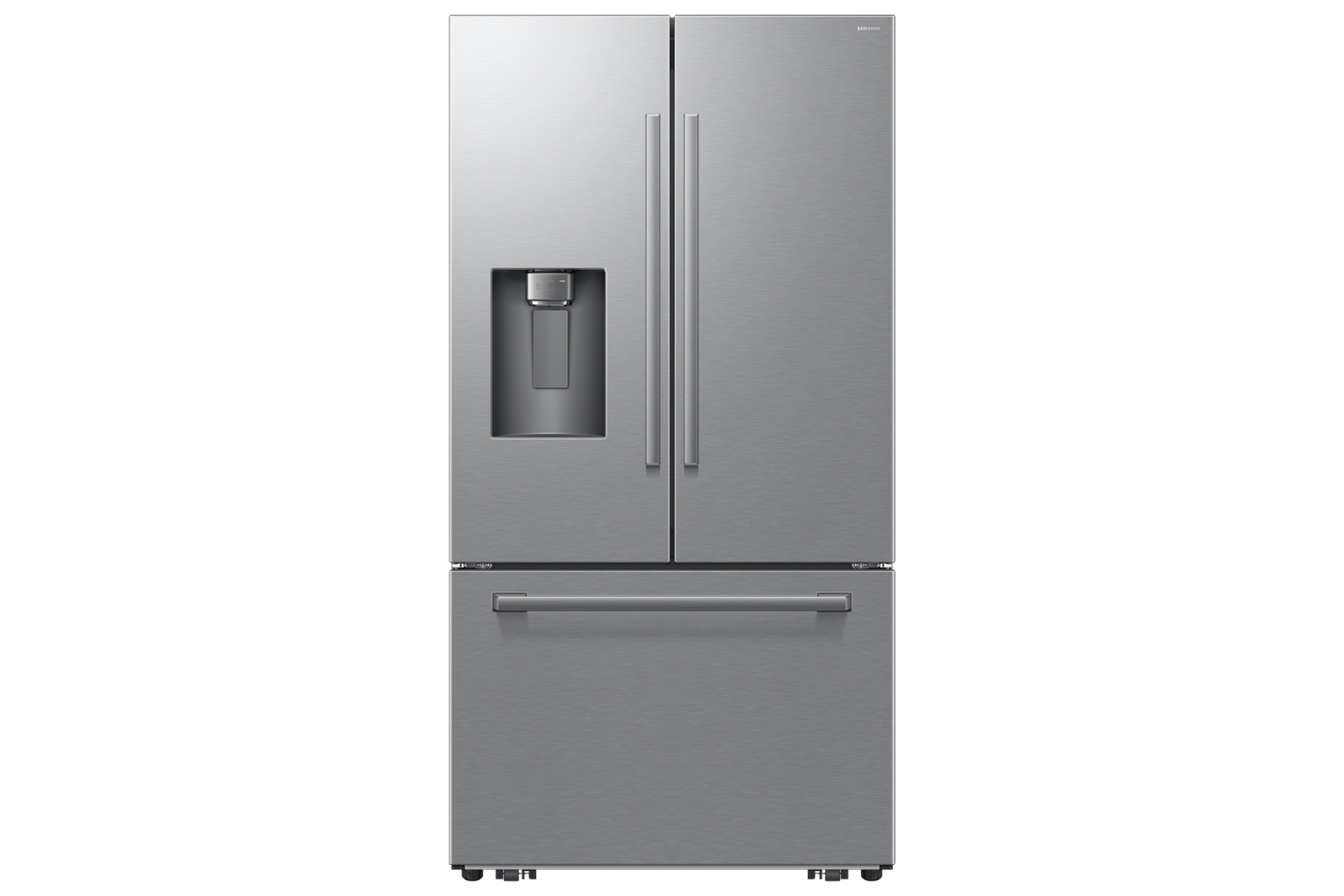
A scratch on a side panel and a dent around a door opening deserve different questions. First decide whether the mark will remain visible after installation. Then ask whether nearby hinges, seals, controls, or mounting points were affected. A cosmetic label alone does not establish that every function has been tested. Request the available inspection information and look for any separate condition notes. Evaluate the actual unit in ordinary lighting; a product photograph that shows a perfect manufacturer example cannot document its individual marks.
Open-box does not answer the history question
An open package can result from display, inspection, a change of plans, or a customer return. Those possibilities are reasons to ask, not facts to assume. Find out whether the appliance was connected, installed, or operated, and whether all original parts are present. For example, a dishwasher may need brackets or a refrigerator may be missing a shelf. Make a written list of included accessories. Packaging condition and appliance condition belong in separate columns when you compare two otherwise similar offers.
Ask specific questions about a used appliance
For a previously used unit, ask what is known about its age, service history, repairs, and current operation. If that history is incomplete, treat the gap as an unanswered question rather than filling it with a reassuring guess. Compare the model label with the listing, and request documentation for any claimed replacement part or refurbishment. The term refurbished should prompt another question: who performed the work, and what did they do? Neither a polished exterior nor a familiar brand answers those questions.
Compare the full purchase, not just the category
Two appliances with the same condition label can differ in included parts, written coverage, return conditions, and total installation cost. Request those details for each candidate before choosing by price. Keep the comparison practical: unit price, required accessories, applicable service charges, and any work needed at home. Ask whether written coverage comes from the seller, manufacturer, or another company, and read its scope. Avoid transferring a policy from another store or another unit to the appliance you plan to purchase.
Choose the description you can verify
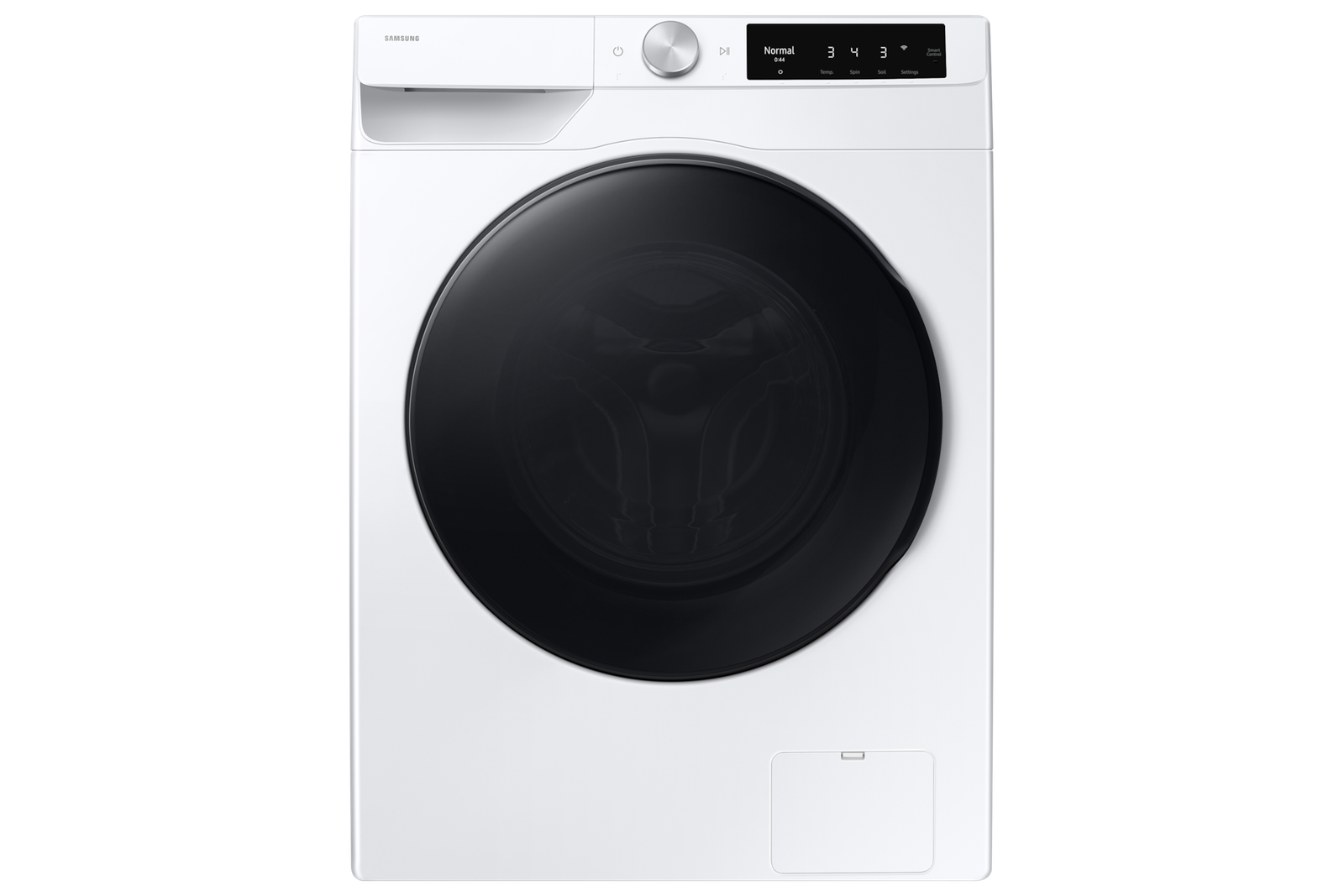
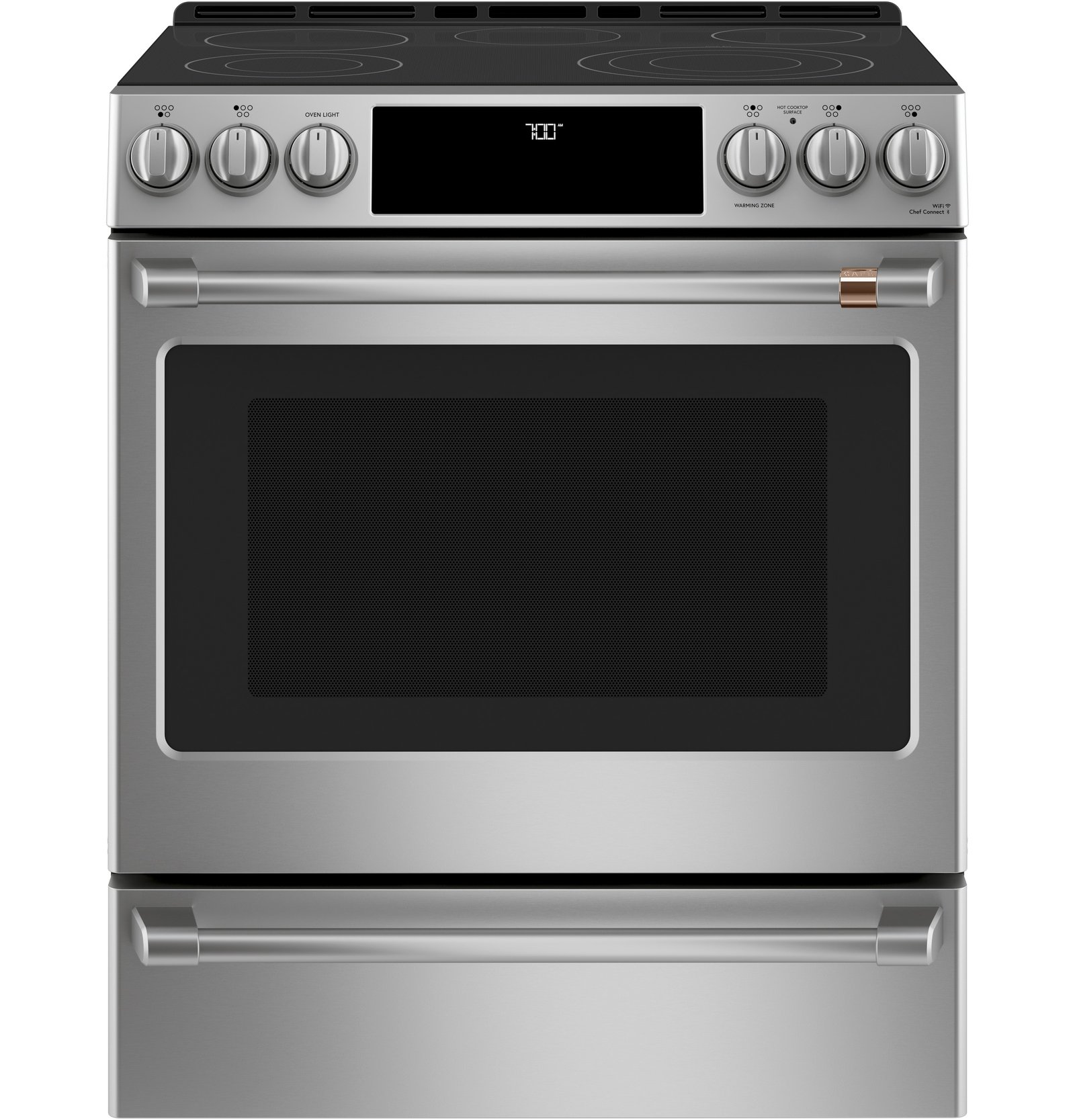
A useful final summary might read: open-box refrigerator, unused according to the seller, scratch on the left panel, included shelves confirmed, and coverage documented separately. That sentence is more informative than simply calling something a bargain. Bring photos of your space and your measurements when shopping in St. Cloud, then ask to review the exact unit. Browse refrigerators, washers, or ranges by the features you need, and use the condition information to compare suitable models rather than choosing a label first.
Further reading
Best Buy: examples of open-box product circumstancesReady to see your options?
Visit 912 13th St in St. Cloud, or call to check availability before the trip.
Talk to the store