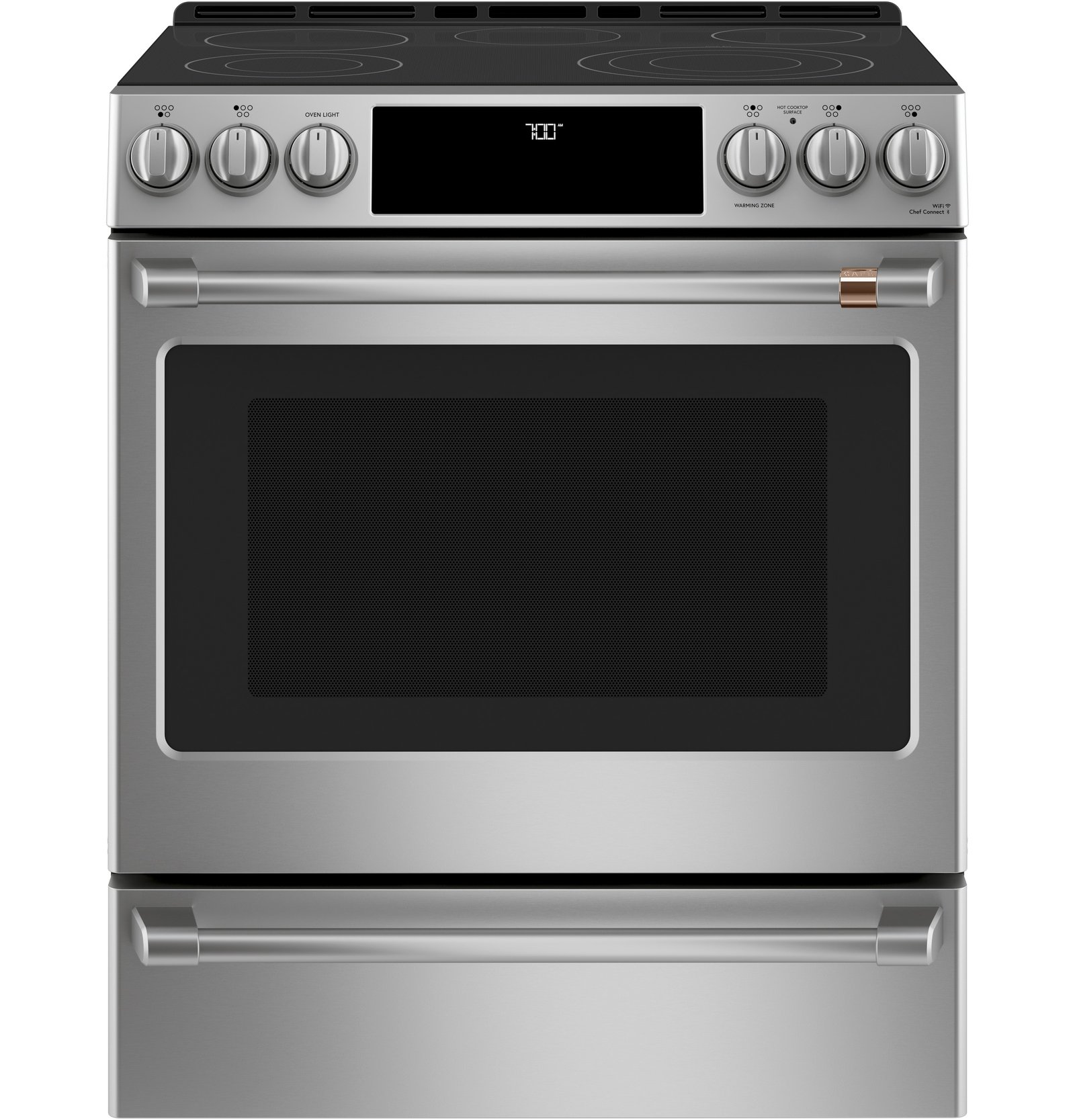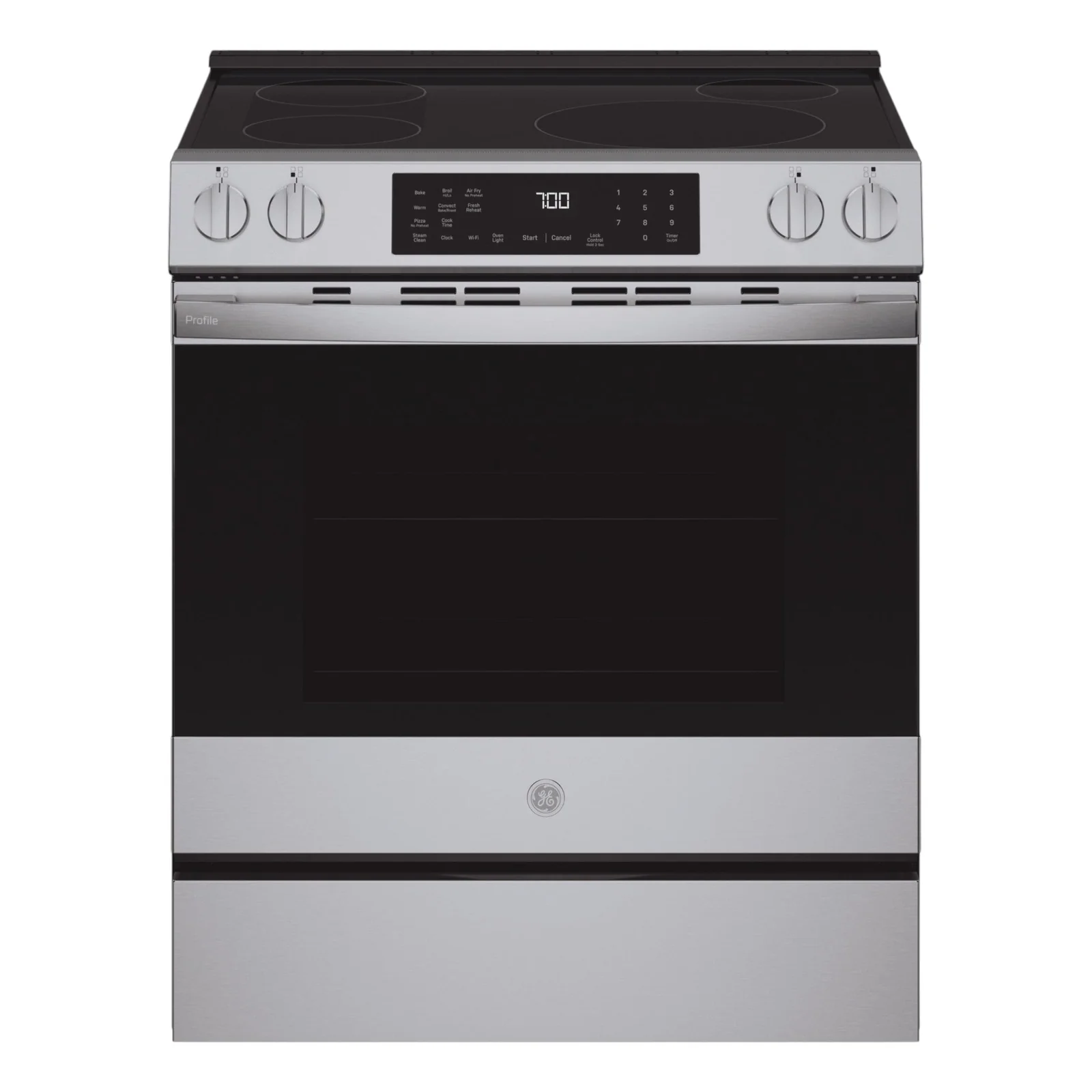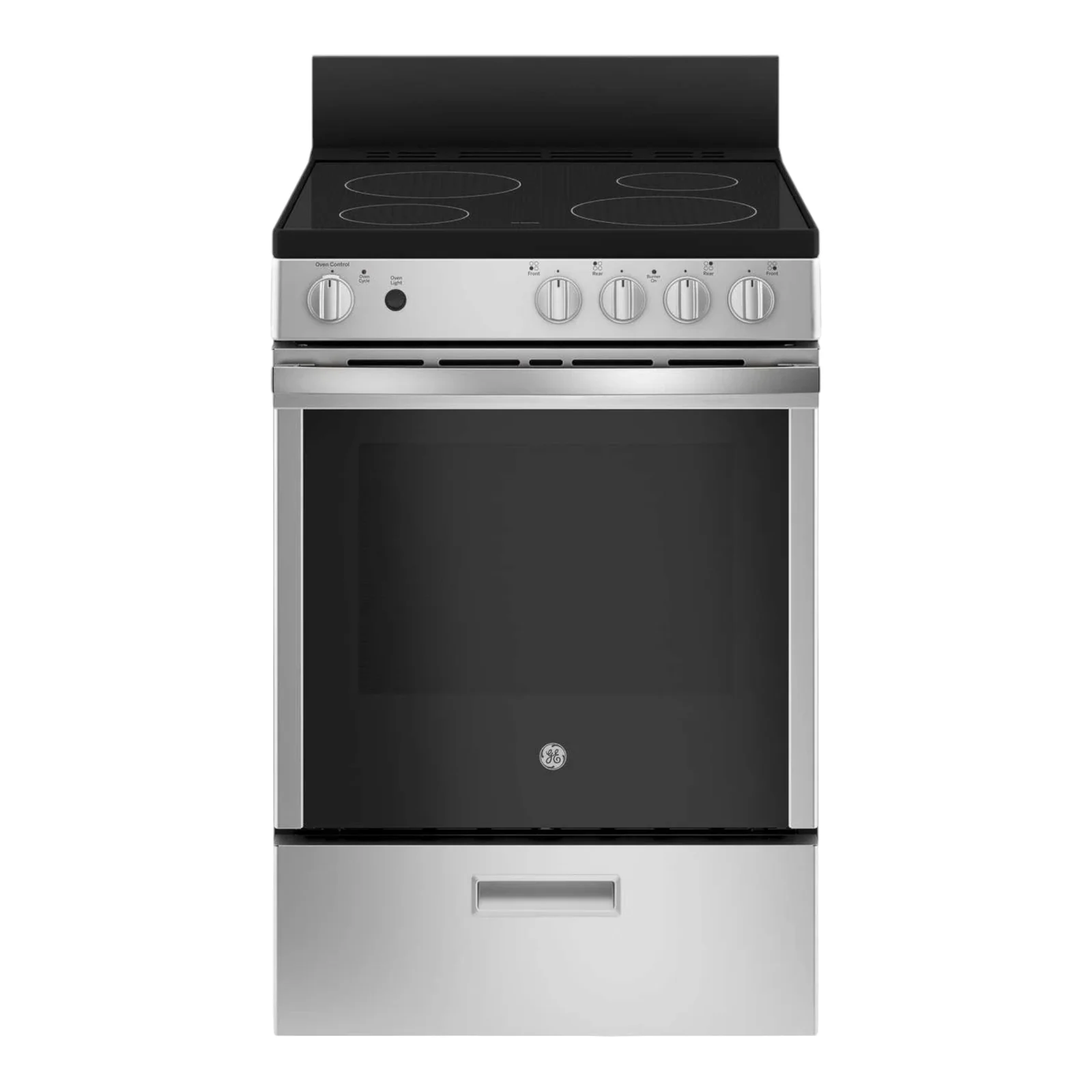
Check the connections before the finish
The best-looking range may be the wrong replacement if your kitchen cannot support it without extra work. Photograph the current model label and the surrounding space, and have the required electrical or gas connections assessed by a qualified installer. Do not assume that moving between gas and electric is a simple appliance swap. Ask for the cost and scope of any changes before comparing sale prices. Your first shortlist should contain models that fit the opening and a realistic installation plan.
Separate three cooking methods
A gas cooktop uses burners with a flame. A conventional electric surface heats elements, which transfer heat to the pan. Induction uses an electromagnetic field to heat compatible cookware directly. These are differences in the cooktop; the oven features require their own comparison. Two ranges with different surface technologies may also have different oven capacity, rack positions or convection options. Write down what matters about cooking above and baking below so one impressive feature does not hide a less useful overall layout.
Give your cookware a quick review
Induction requires suitable magnetic cookware. Check the cookware manufacturer’s guidance; a magnet that sticks firmly to the pan base is a useful initial compatibility check. The base size and shape also need to suit the cooking zone and the range instructions. Before changing technologies, list the pans you use every week and the ones you would need to replace. A favorite large stockpot or griddle deserves particular attention. Include any cookware purchase in the comparison instead of treating it as a surprise after installation.
Think about your regular meals
Imagine cooking a familiar dinner rather than a showroom demonstration. Can two large pans sit where you need them? Are the controls clear, and can you reach them comfortably? How do you use low heat, boiling and quick changes in heat? For the oven, compare the space for your roasting pan and baking sheets, and inspect how racks move. A double oven can suit some routines, but its individual cavities should accommodate your normal dishes. Match the arrangement to meals you actually make.
Plan cleaning and ventilation together
Inspect the surface materials and read their care instructions. Grates, smooth glass and control layouts each create a different cleaning routine; avoid assuming that a finish needs no maintenance. Discuss ventilation with the installer regardless of the cooking technology. If you are keeping an existing hood or over-the-range microwave, check its compatibility with the new setup. Compare the new range’s installation guide for required spacing and mounting provisions. Electrical, gas and cabinet work should be planned before the appliance arrives, with responsibilities clear in the quote.
Choose using the total project price
Build a comparison with four lines: appliance, required installation work, accessories or cookware, and services such as delivery or removal. Then record the written condition and coverage for each exact unit. This makes it easier to choose between a familiar replacement and a larger change without relying on a percentage-off sign. Browse our range models and send your favorites to Appliances 4 Less St. Cloud on WhatsApp. Include your current model and opening measurements so the store can help you narrow the options before your visit.
Further reading
U.S. Department of Energy: Making the switch to inductionGE Appliances: Site readiness requirementsWhirlpool: Appliance manualsReady to see your options?
Visit 912 13th St in St. Cloud, or call to check availability before the trip.
Talk to the store