Start with how you load and unload
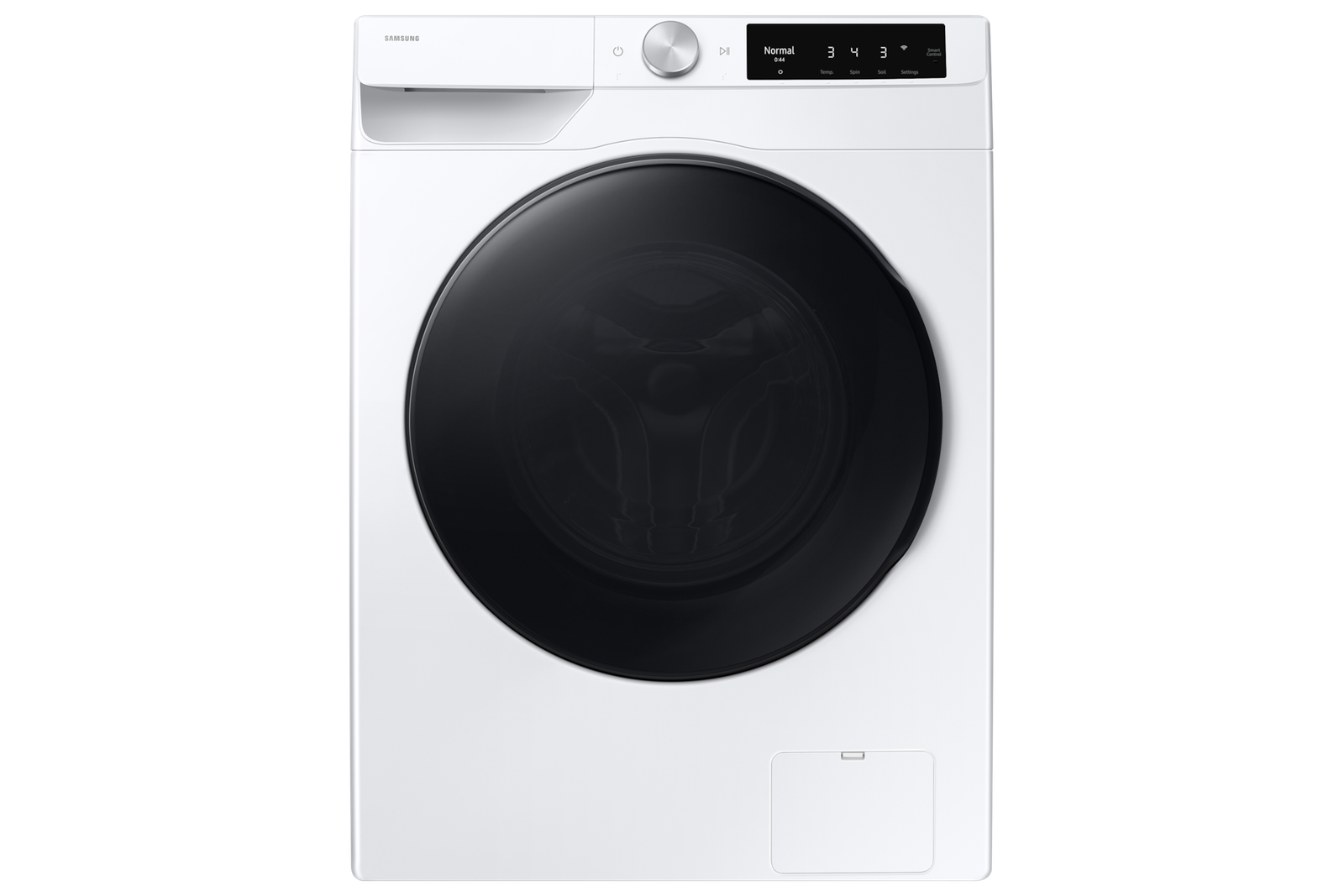
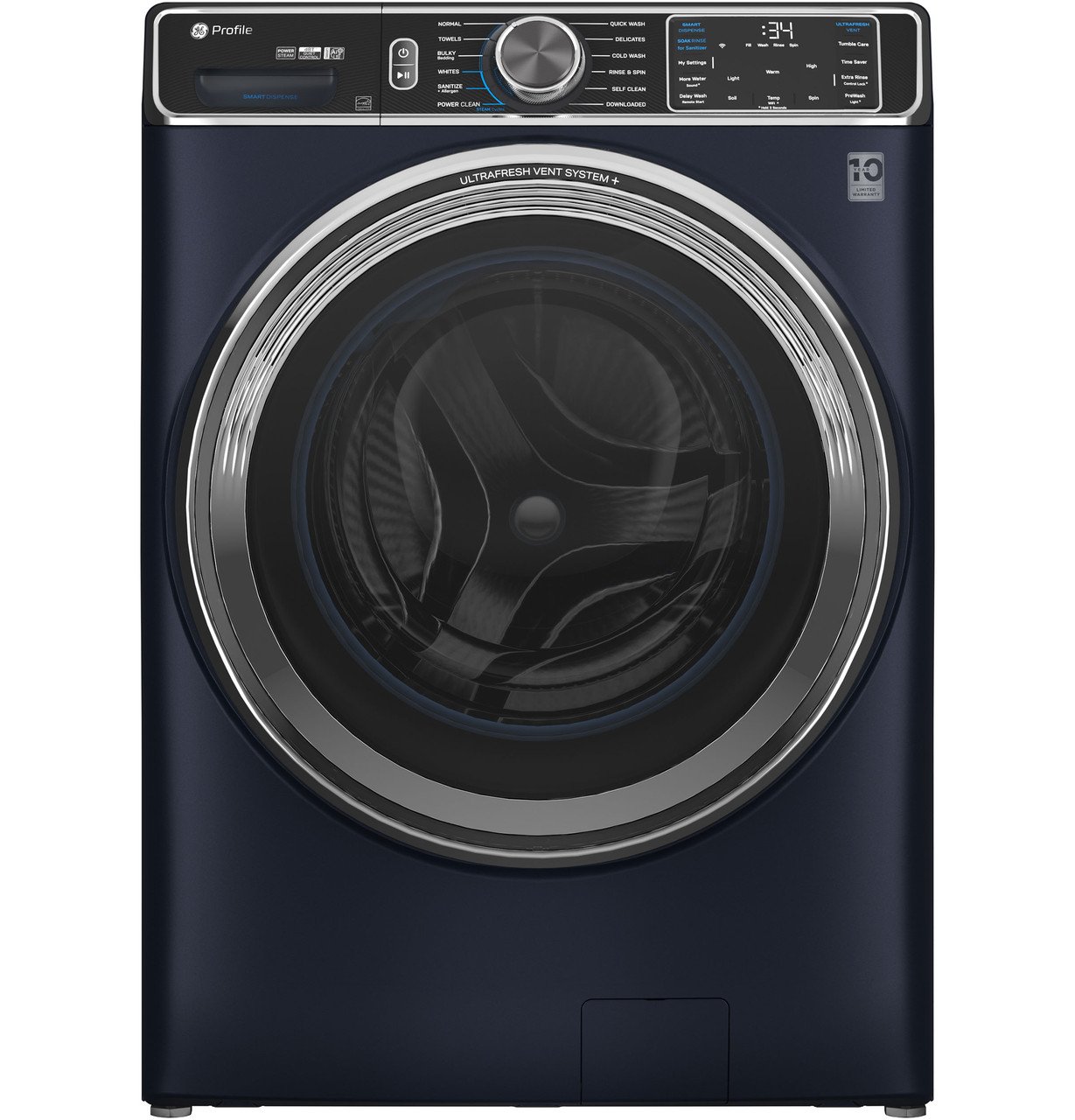
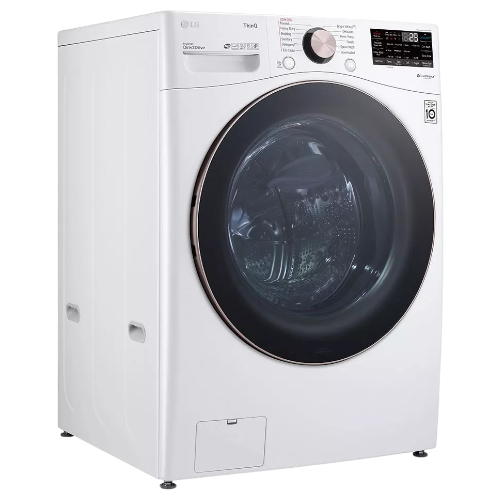
A top-load washer opens from above; a front-load washer opens through the front of the cabinet. That basic difference shapes daily use. Try reaching the bottom of a top-load basket and imagine removing a wet towel. With a front-load model, notice the height of the opening and the room needed for the door. A compatible pedestal may change the loading height, but it also changes the total appliance height and cost. Compare comfort for everyone who does laundry rather than choosing by familiarity alone.
Understand the wash-basket design
Top-load washers can use a central agitator or a lower-profile impeller; some models offer a removable agitator. Front-load washers tumble clothing in a horizontal drum. These descriptions explain the layout, not a guarantee that one machine will handle every fabric better. Match the available cycles and loading instructions to what you wash. If bulky bedding is a priority, review the manufacturer’s guidance for that exact model. A larger-looking basket does not remove the need to leave the load appropriate space to move.
Plan the room around the opening
A top-load washer needs room above for its lid. A front-load washer needs clearance in front for the door and the person loading it. Check nearby shelves, counters, laundry baskets, and the room’s entrance. If you want a stacked pair, verify that both specific models support stacking together and identify the required kit. Do not infer compatibility because the appliances share a brand or width. Bring a room sketch to the store so you can compare the complete arrangement, including the dryer and its connections.
Compare efficiency by model
ENERGY STAR identifies efficient washers and provides information that can help compare water and energy use. Certified front-load designs generally use less water and energy than conventional top-load agitator designs, but the actual comparison should use the specific candidates. Look at the model’s certification, EnergyGuide label, and available operating information. Avoid converting a general efficiency claim into a guaranteed monthly savings figure for your home. Your load frequency, cycle settings, water heating, and utility rates influence the result, so compare consistent assumptions when evaluating costs.
Choose features that solve a real task
Make a short list of laundry problems you want to improve. Perhaps you need a practical place to pretreat stains, a cycle for delicate items, or controls that are easy to read. Compare how those features work rather than counting the number of cycle names. Ask about detergent requirements and the cleaning routine in the manual. Consider whether the dispenser, filter, and door area are accessible in your planned installation. A machine that fits your maintenance habits may be more useful than a feature you rarely use.
Build a balanced final comparison
For each washer, note capacity, required dimensions, loading comfort, useful cycles, model-specific efficiency, and total setup cost. Include an approved pedestal or stacking kit only if your plan needs it. Check whether your current dryer can comfortably handle the loads you intend to wash, following each appliance’s instructions. When comparing washers in St. Cloud, bring measurements and examples of your most common laundry tasks. Choose the design that fits the room and your routine, then confirm the complete model numbers before arranging installation.
Further reading
Whirlpool: top-load and front-load washer designsENERGY STAR: certified clothes washers and efficiency measuresReady to see your options?
Visit 912 13th St in St. Cloud, or call to check availability before the trip.
Talk to the store