Be clear about which design you mean
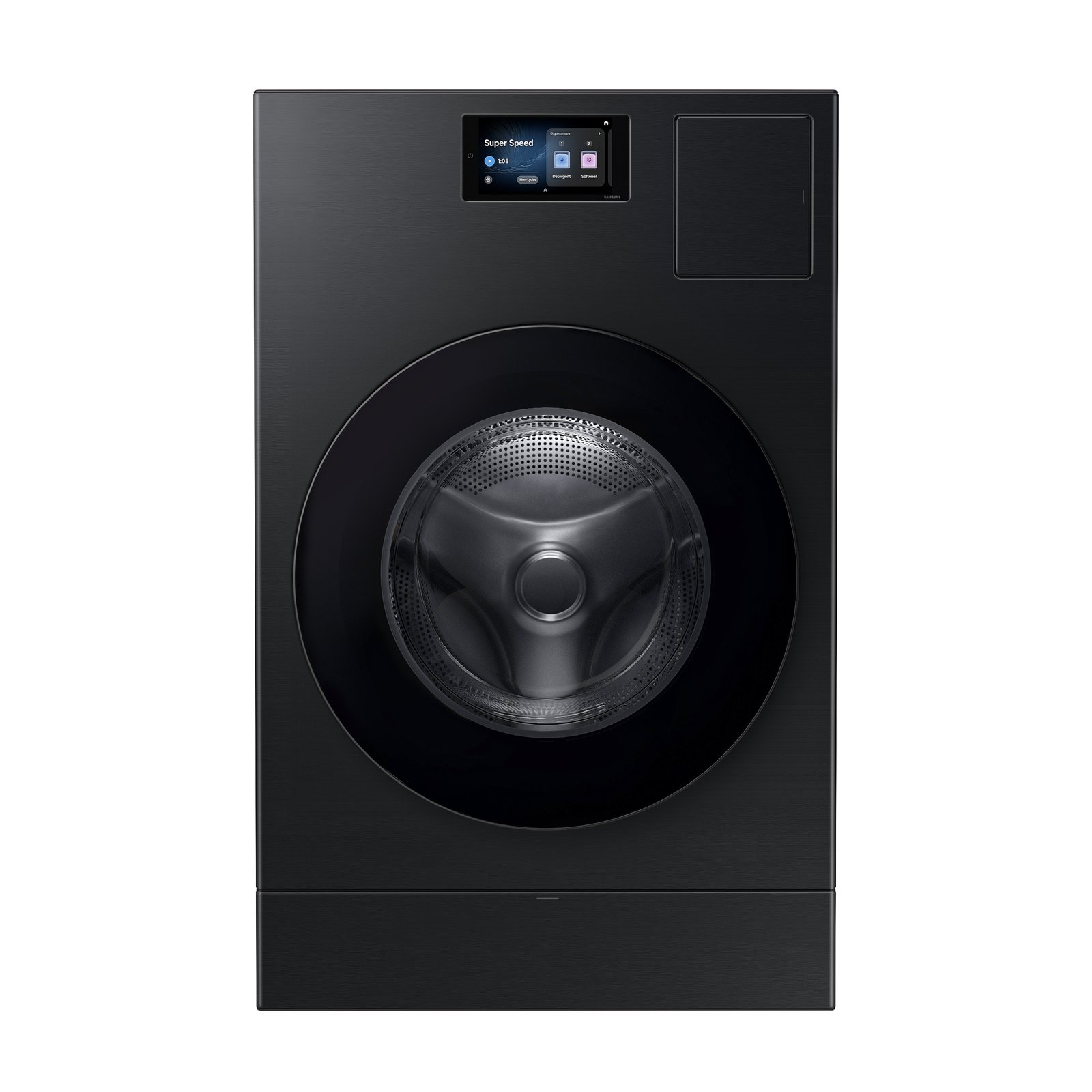
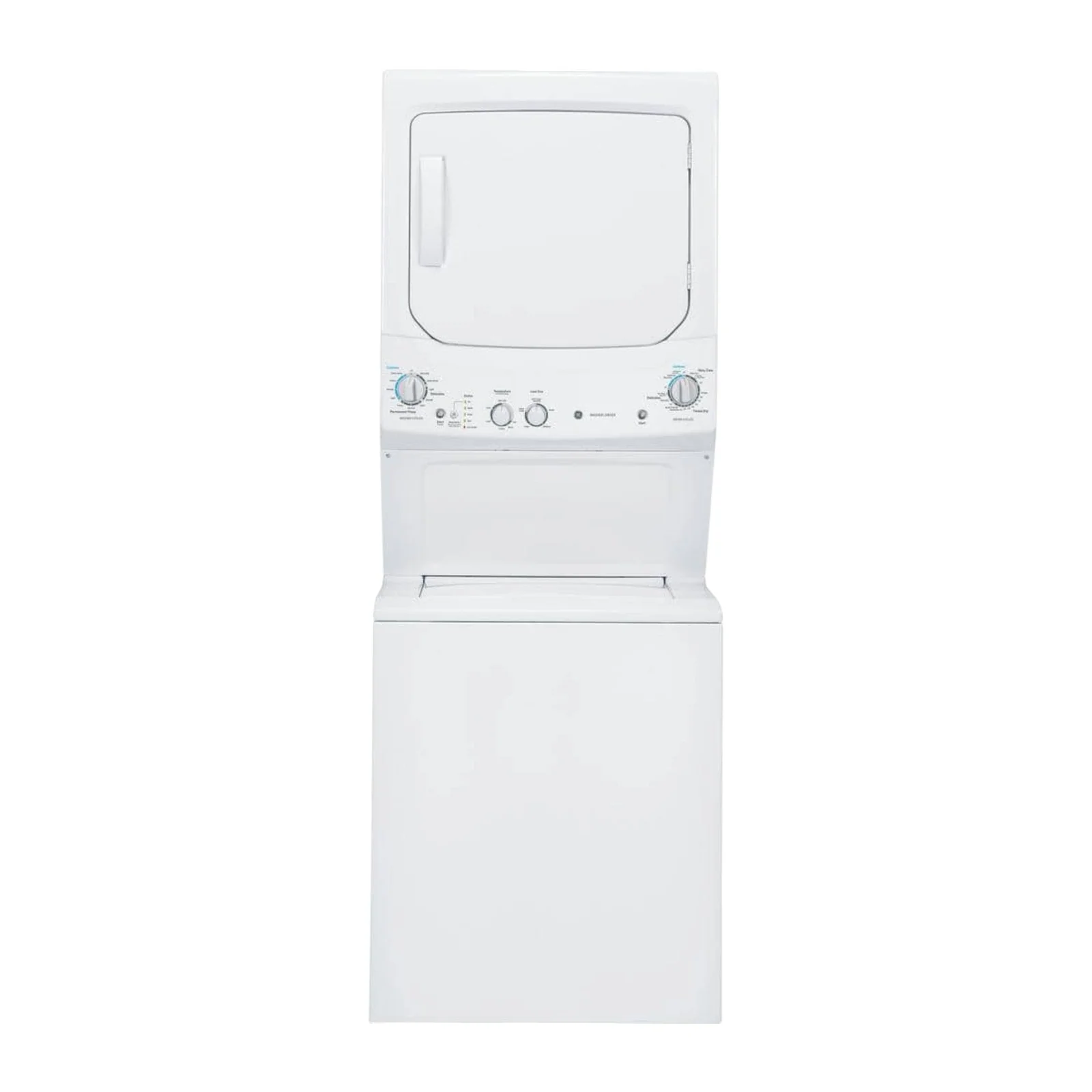
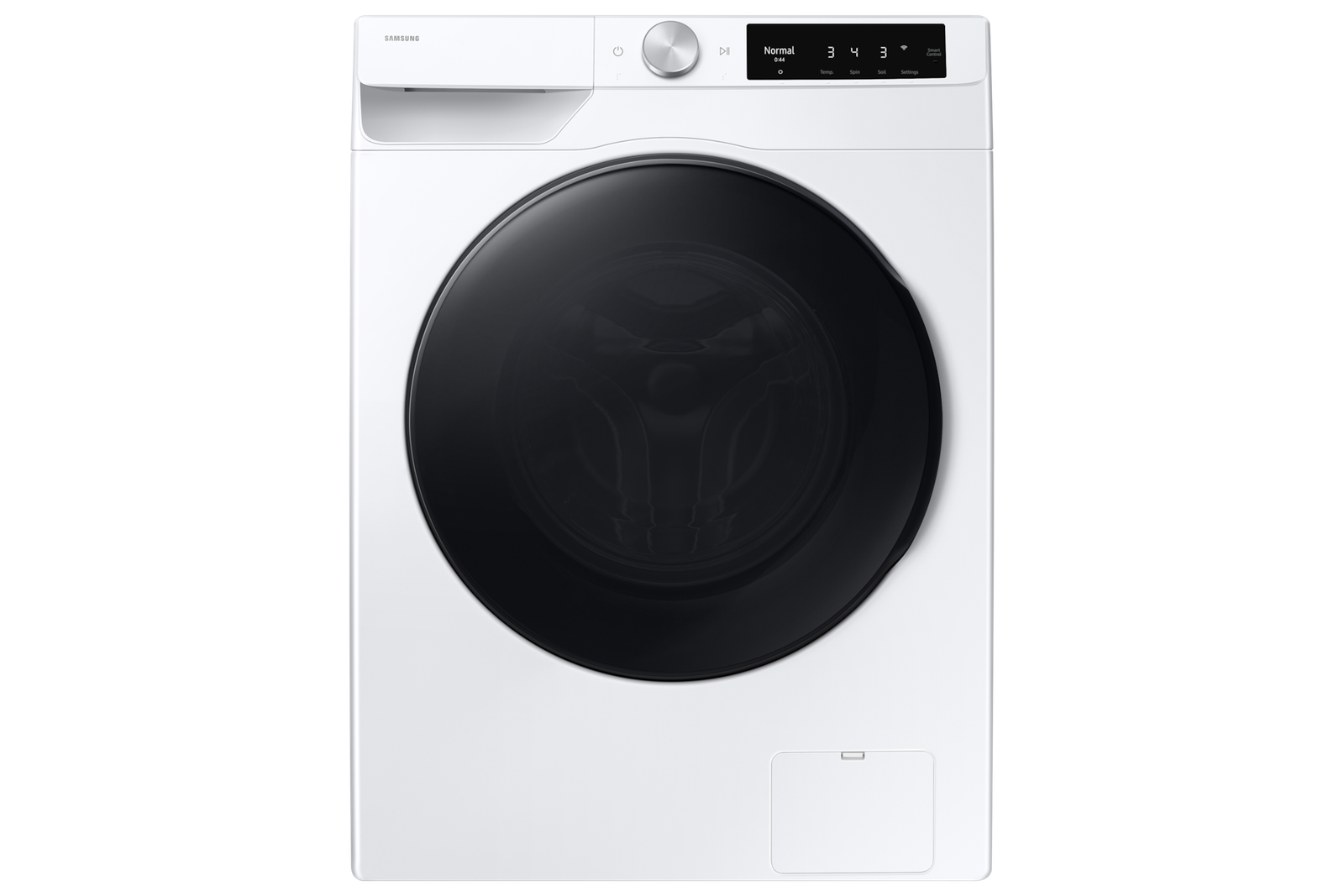
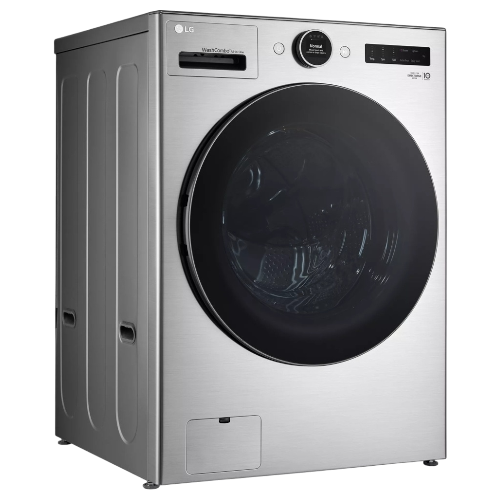
An all-in-one washer-dryer washes and dries in the same drum. A stacked pair uses a separate washer and dryer arranged vertically with an approved installation system. A laundry center is a combined vertical appliance with separate washing and drying sections. Listings sometimes use similar words for different arrangements, so count the drums and read the model description. This distinction matters more than appearance: it determines whether clothes must move between machines and how the household can organize several loads during a busy day.
Follow one load from start to finish
With a suitable all-in-one cycle, the same load can move from washing to drying without being transferred to another drum. That may suit someone who wants fewer interruptions during a workday. A separate washer and dryer require a transfer, but can allow one load to wash while another dries when operated as instructed. Consider whether you usually do one load at a time or several back-to-back loads. The best workflow is personal; automatic transfer avoidance and multiple-load throughput solve different everyday needs.
Compare realistic cycles and load guidance
Do not choose solely from a headline cycle time. Read the conditions behind any speed claim, including load size, fabric, selected settings, and whether washing and drying are both included. Check the manufacturer’s recommended load for a combined wash-and-dry cycle rather than assuming the entire drum can always be filled for every task. Ask how the model handles items that should air-dry. Write down a realistic example from your home, such as towels followed by mixed clothing, and compare how each arrangement would manage it.
Check connections before celebrating the saved space
A single cabinet can simplify the floor plan, but it still needs the specified water, drain, electrical supply, and installation clearances. Some all-in-one models use ventless heat-pump technology; other designs differ. A stacked dryer may be gas or electric and may require an exhaust duct. Verify all requirements for the exact model rather than applying the features of one popular machine to the whole category. If the laundry area is a closet, review the manufacturer’s requirements for the enclosure and ventilation as well.
Measure reach and service access
A stacked arrangement saves width but adds height. Try reaching the dryer controls and loading opening, and check the total height with the required installation hardware. An all-in-one keeps both tasks at one opening, but its door and filter still need accessible space. Think about maintenance and moving the appliance for service, not just whether it fits between walls. For a separate pair, confirm approved compatibility and stacking hardware. A shelf, a generic strap, or matching cabinet dimensions does not replace the manufacturer’s installation system.
Choose the routine you want to keep
Write down the number of loads you normally complete together, the time you can spend transferring clothes, and the space and connections available. Compare capacity, maintenance steps, installed cost, and model-specific energy information within that brief. When browsing laundry options in St. Cloud, examine all-in-one washer-dryers and stacked laundry centers as different solutions, then compare individual models. Ask for the complete installation requirements before deciding. A useful choice should support the routine you realistically follow, including how you sort clothes and handle items that cannot be tumble-dried.
Further reading
GE Appliances: all-in-one heat-pump combo installationWhirlpool: stackable washer and dryer considerationsReady to see your options?
Visit 912 13th St in St. Cloud, or call to check availability before the trip.
Talk to the store